
Is a check-up right for you?
- It has been more than a year since your last dental visit.
- Your gums bleed when you brush or floss.
- You have a sensitive tooth, a rough edge or a filling that feels different.
- You have bad breath or a bad taste that won't go away.
- You're new to the area and want a dentist who knows your history.
What happens, step by step
- A chat first. We ask about your health, any medicines you take and anything that's worrying you.
- Examination. We check each tooth, your gums, your bite and the soft tissues of your mouth.
- X-rays if needed. Small X-rays show decay between teeth and problems under old fillings that can't be seen by eye.
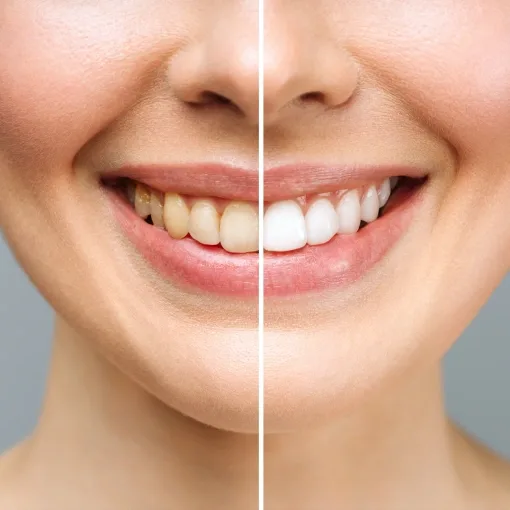
- Scale and polish. We remove hardened plaque (tartar) and surface stains, then polish your teeth.
- Clear plan. We explain what we found, what needs attention now and what can wait, with costs.
Cost and payment
Ask us about the cost of your check-up when you book, and you'll get a quote before any further treatment. We accept EFTPOS, Visa and Afterpay, and Southern Cross members can claim on the spot. See fees and payment options.
Benefits, risks and alternatives
Regular check-ups reduce the chance of toothache, infections and tooth loss. Cleaning can leave teeth and gums a little tender or sensitive for a day or two, especially if there was a lot of build-up. Dental X-rays use a very low dose of radiation, and we only take them when they'll help. Please tell us if you are or might be pregnant.
Looking after your teeth between visits
- Brush twice a day with fluoride toothpaste, for two minutes.
- Clean between your teeth once a day with floss or interdental brushes.
- Keep sugary food and drinks to mealtimes.
- Drink water, especially after eating.
Common questions
How often should I have a dental check-up?
Most adults do well with a check-up every 6 to 12 months. If you have gum disease, lots of fillings, diabetes or you smoke, we may suggest coming more often.
Does a scale and polish hurt?
Most people find it comfortable. Tell us if your teeth are sensitive.
Do I need X-rays every time?
No. We take X-rays only when they're needed, based on your risk of decay and how long it has been since your last ones.
My gums bleed when I brush. Is that normal?
Bleeding gums are usually a sign of gum inflammation caused by plaque. It's common and often reversible with a professional clean and better cleaning at home, so it's worth getting checked.
Can I book a check-up on the weekend?
Yes. We're open Saturday and Sunday from 9am to 6pm, and until 8pm on weekdays.